How to prevent frozen pipes in Lakeland winters
Lakeland's winter freezes can burst pipes fast. Learn how to prevent frozen pipes in Lakeland winters with insulation, drip faucets, and cold-weather plumbing tips.
You prevent frozen pipes in Lakeland winters by keeping exposed pipes above 32°F through insulation, sealing drafts, dripping faucets during hard freezes, and disconnecting outdoor hoses before the first cold snap. Lakeland sits in USDA zone 9b, so our freezes are short but sharp - a 20°F night is enough to split a copper line in an unheated crawlspace. This guide covers the exact steps we use on service calls across Polk County, from Dixieland bungalows to newer builds near Lake Hollingsworth, plus what to do if a pipe freezes anyway.
Why Lakeland pipes freeze when temperatures drop
Lakeland pipes freeze because most homes here were built for heat, not cold - plumbing runs through attics, garages, and exterior walls with little or no insulation. When a January cold front pushes overnight lows into the 20s, those exposed runs hit freezing within a few hours.
We see the same pattern every winter: a homeowner wakes up to no water in the kitchen, or a wet ceiling under an attic line. The pipe didn't fail because it was old. It failed because water expands about 9% when it turns to ice, and that expansion splits copper, CPVC, and even PEX at the fitting.
Three factors make Lakeland homes especially vulnerable:
- Attic plumbing. Many 1950s-1980s homes in neighborhoods like plumbing in Dixieland Lakeland run hot and cold lines through unconditioned attic space.
- Slab-on-grade construction. Supply lines under the slab stay warmer, but exterior hose bibs and irrigation lines are fully exposed.
- Short freezes, long damage. A six-hour freeze is enough to burst a pipe. The leak often shows up two days later when the ice thaws.
If you've ever dealt with a mid-winter pipe failure, you know the cleanup costs more than the repair. That's why we treat frozen pipe prevention as routine maintenance, not emergency work.
How to prevent frozen pipes in Lakeland FL: 7 steps that work
How to prevent frozen pipes in Lakeland FL comes down to seven steps we walk through on every winterization visit. None of them require a contractor for the basic version, but a few are worth having us handle if your plumbing is older or hard to reach.
- Insulate exposed pipes. Foam pipe sleeves cost $1-$3 per six-foot section at any Lakeland hardware store. Wrap every line in the attic, garage, and along exterior walls. For pipes under the house, use self-sealing foam or fiberglass wrap rated for outdoor use.
- Seal gaps and cracks. Cold air finds every opening. Use caulk or expanding foam around pipe penetrations, dryer vents, and foundation gaps. A $6 tube of caulk prevents more freeze damage than a $60 space heater.
- Disconnect hoses and cover hose bibs. Remove garden hoses by Thanksgiving. A foam faucet cover costs $4-$8 and keeps the bib from splitting. If you have a frost-free sillcock, it still needs the hose removed - the frost-free feature only works when the line can drain.
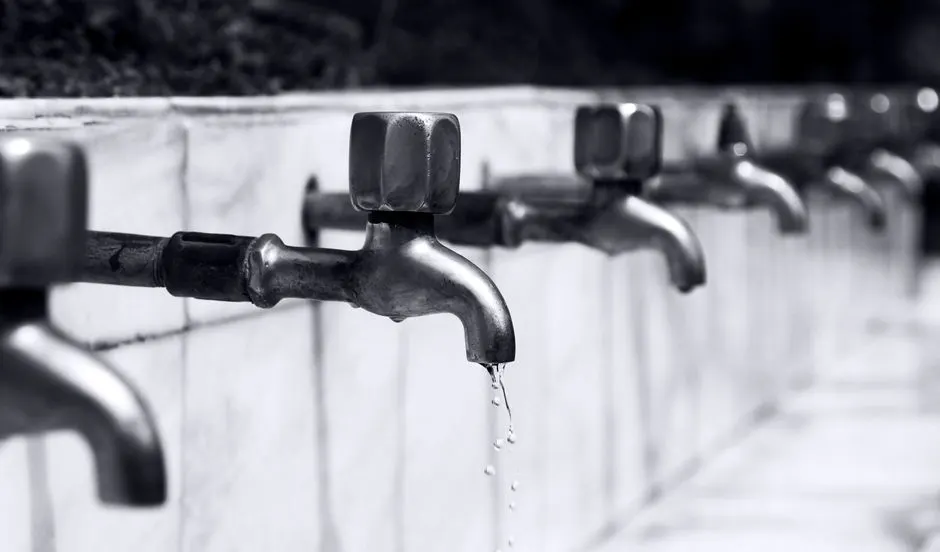
- Drip faucets during hard freezes. When the forecast calls for 28°F or lower, let the furthest fixture from the main drip at a pencil-lead thickness. Moving water freezes slower than standing water.
- Open cabinet doors. Kitchen and bathroom cabinets on exterior walls trap cold air. Leave them open during a freeze so warm indoor air reaches the supply lines.
- Keep the thermostat steady. Don't drop below 60°F overnight, even if you're away. A 55°F setting feels thrifty until a pipe bursts behind the washing machine.
- Shut off and drain irrigation. Sprinkler lines and backflow assemblies are the first things to crack. Drain them in November and leave the valve closed until March.
If your home has a crawlspace or an older plumbing system, a one-time visit from our team to map the vulnerable runs is worth more than guessing. We also handle pipe repair Lakeland FL if a line has already split.
What temperature do pipes freeze in Lakeland FL?
Water freezes at 32°F, but pipes in Lakeland FL typically don't burst until the air around them stays below 20°F for four or more hours. The pipe itself doesn't have to be at 32°F - the water inside just needs to reach that point and expand.
In practice, we see the most damage when overnight lows hit the mid-20s and daytime highs stay under 45°F. That's a two- or three-day event in Polk County, not a week-long deep freeze. The short duration is actually a problem: homeowners assume it's not cold enough to matter, then wake up to a split line.
Wind makes it worse. A 20°F night with 15 mph wind drives the effective temperature on an exposed pipe down to about 9°F. That's why attic lines and exterior hose bibs fail first.
Should I drip my faucets in Lakeland FL winter?
Yes - drip your faucets in Lakeland FL winter whenever the overnight low is forecast at 28°F or below. A slow drip keeps water moving through the line, and moving water takes longer to freeze than standing water.
Here's how to do it right:
- Pick the fixture furthest from where the main line enters the house. That's usually the kitchen sink or a bathroom on the opposite side of the home.
- Open both hot and cold sides to a pencil-lead stream - about 1/16 inch.
- Leave cabinet doors open under that sink so warm air circulates.
- You can shut the drip off once daytime temperatures climb above 40°F.
A dripping faucet for two nights adds maybe $2-$4 to your water bill. A burst pipe repair runs $500-$1,500 in 2026 pricing, plus drywall and flooring. The math is easy.
If you're on a well or have a pressure tank, drip one fixture and keep the well house above freezing with a small heat lamp or thermostatically controlled heater.
How to thaw frozen pipes in Lakeland, Florida
How to thaw frozen pipes in Lakeland, Florida starts with finding the frozen section and warming it slowly - never with an open flame. If you turn on a faucet and nothing comes out, or you hear a faint gurgling, you've got ice in the line.
Work through these steps:
- Shut off the main water valve if you see any sign of a split - bulging pipe, water staining, or a hissing sound.
- Open the affected faucet so melting water has somewhere to go.
- Apply gentle heat. A hair dryer, heating pad, or warm towels work. Start at the faucet end and work back toward the frozen section.
- Never use a torch, propane heater, or charcoal. You'll crack the pipe or start a fire in the attic.
- Watch for leaks. Once water flows, check the entire run for drips. A pipe that froze and thawed may already have a hairline crack.
If you can't find the frozen section or the pipe is inside a wall or under a slab, stop poking around and call us. We use thermal imaging and acoustic listening to pinpoint the ice without tearing into drywall. We also offer leak detection Lakeland FL if you suspect a hidden split.
Common mistakes that lead to burst pipes in Lakeland
The most common mistake we see is assuming Lakeland is too warm for pipe freezing. It happens every winter, and it costs homeowners thousands.
Other repeat offenders:
- Leaving hoses connected. A hose traps water in the sillcock. When it freezes, the pipe splits inside the wall.
- Setting the thermostat too low before a trip. 55°F sounds safe. It isn't when the outdoor low hits 25°F.
- Insulating only the pipe, not the gap. Cold air blowing through a foundation vent will freeze an insulated pipe just as fast.
- Using a space heater in a crawlspace. It's a fire hazard and rarely reaches the pipe that needs it.
- Ignoring a slow drain. A partially clogged line freezes faster because water sits in the trap. If your kitchen sink is draining slow, get drain cleaning Lakeland FL before the first freeze.
We also see homeowners crank the heat to 80°F during a freeze. That doesn't help the pipe in the attic - it just raises your bill. Steady, moderate heat is the goal.
When to call a professional
Call a professional when you can't locate the frozen section, when you see water where it shouldn't be, or when the pipe is inside a wall, slab, or attic you can't safely reach. Those are the calls where DIY turns into a flooded ceiling.
At Lakeland Swancrest Plumbing, we handle frozen pipe repair, thawing, and full winterization across Lakeland and Polk County. We find the freeze point, thaw it without damaging the line, and pressure-test the repair before we leave. If the pipe is too far gone, we'll walk you through repair versus replacement on the spot.
We also winterize rental properties, vacation homes, and small commercial buildings before owners leave for the holidays. One visit in November beats an emergency call in January.
Frequently Asked Questions
How do I prevent frozen pipes in Lakeland FL?
Insulate exposed pipes in attics and garages, seal air gaps, disconnect hoses, and drip faucets when overnight lows hit 28°F or below. Keep the thermostat at 60°F or higher, even when you're away. These steps cover 90% of Lakeland homes.
Do pipes freeze in Lakeland, Florida?
Yes. Lakeland averages several nights below 32°F each winter, and pipes in attics, garages, and exterior walls freeze during those events. The damage usually shows up when the ice thaws, not while it's frozen.
What temperature do pipes freeze in Lakeland FL?
Water freezes at 32°F, but pipes in Lakeland FL typically burst after four or more hours below 20°F. Wind exposure can drop the effective temperature on an exposed pipe by 10-15°F, so a 25°F night with wind can still cause damage.
How do I thaw frozen pipes in Lakeland, Florida?
Shut off the main if you suspect a split, open the faucet, and apply gentle heat with a hair dryer or heating pad. Start at the faucet and work toward the frozen section. Never use a torch or open flame.
Should I drip my faucets in Lakeland FL winter?
Yes, when the overnight low is forecast at 28°F or below. Drip the fixture furthest from the main at a pencil-lead stream, both hot and cold. Turn it off once daytime temps stay above 40°F.
Get help with plumbing in Lakeland
If you'd rather not spend a January morning thawing pipes with a hair dryer, we'll handle it. Our team winterizes homes across Lakeland and responds to frozen pipe emergencies all season.
Call Lakeland Swancrest Plumbing at (863) 445-7111 to schedule a winterization visit or get help with a pipe that's already frozen.